
On the occasion of the 18th Architecture Exhibition of the Venice Biennale, the Holy See presented a central theme from Pope Francis’s encyclical Fratelli tutti: social friendship, with particular reference to art and culture.
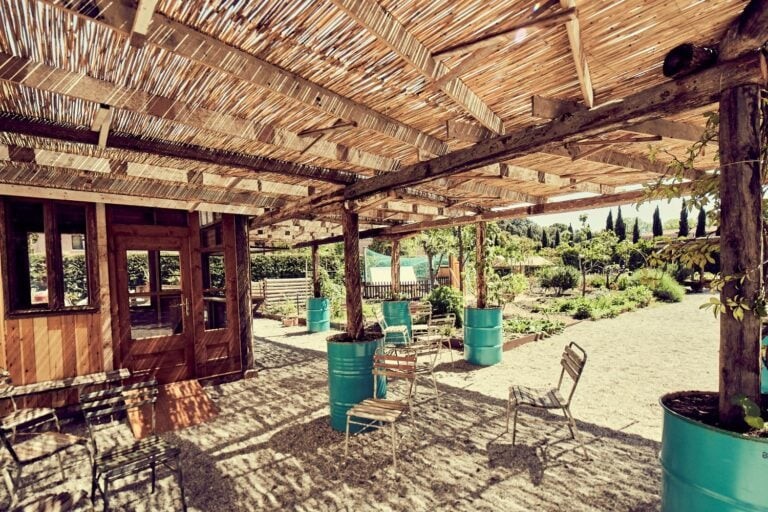
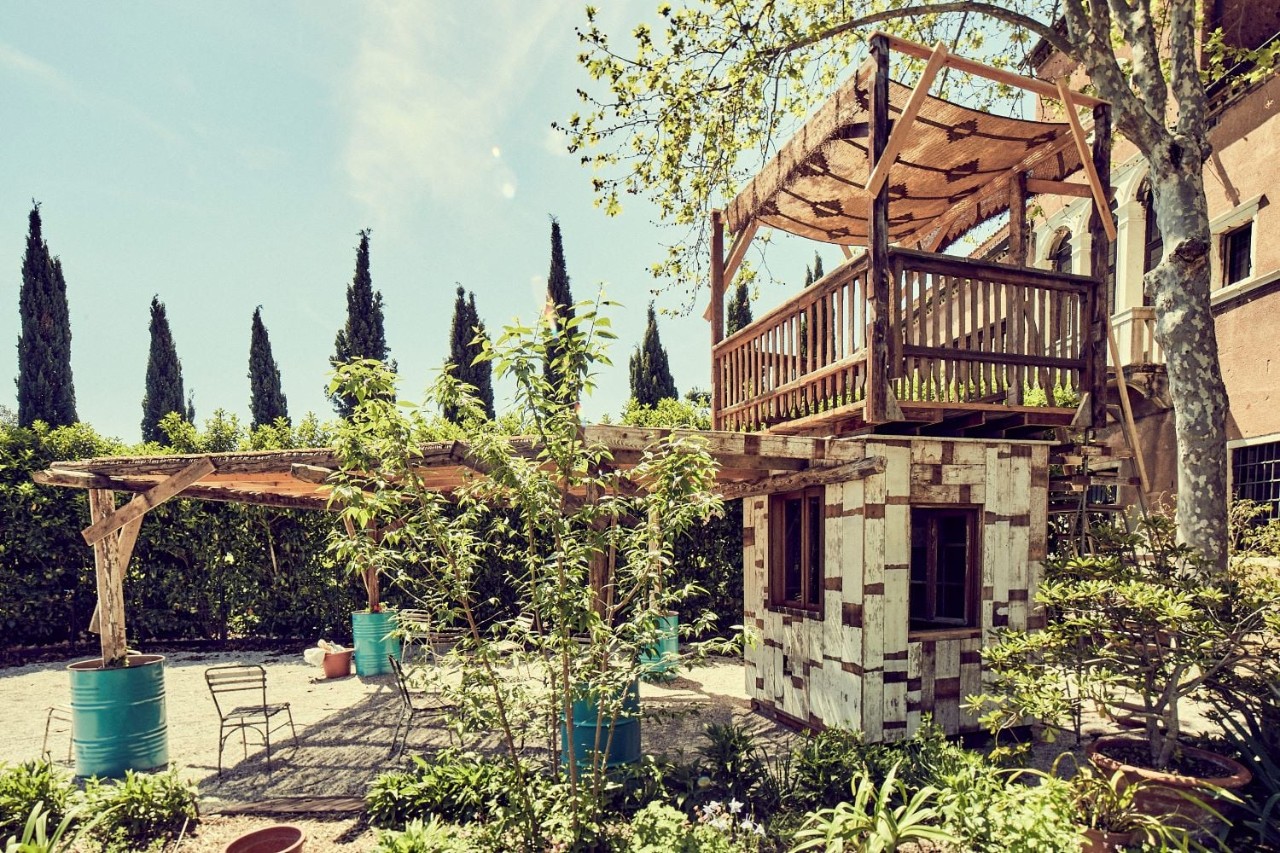
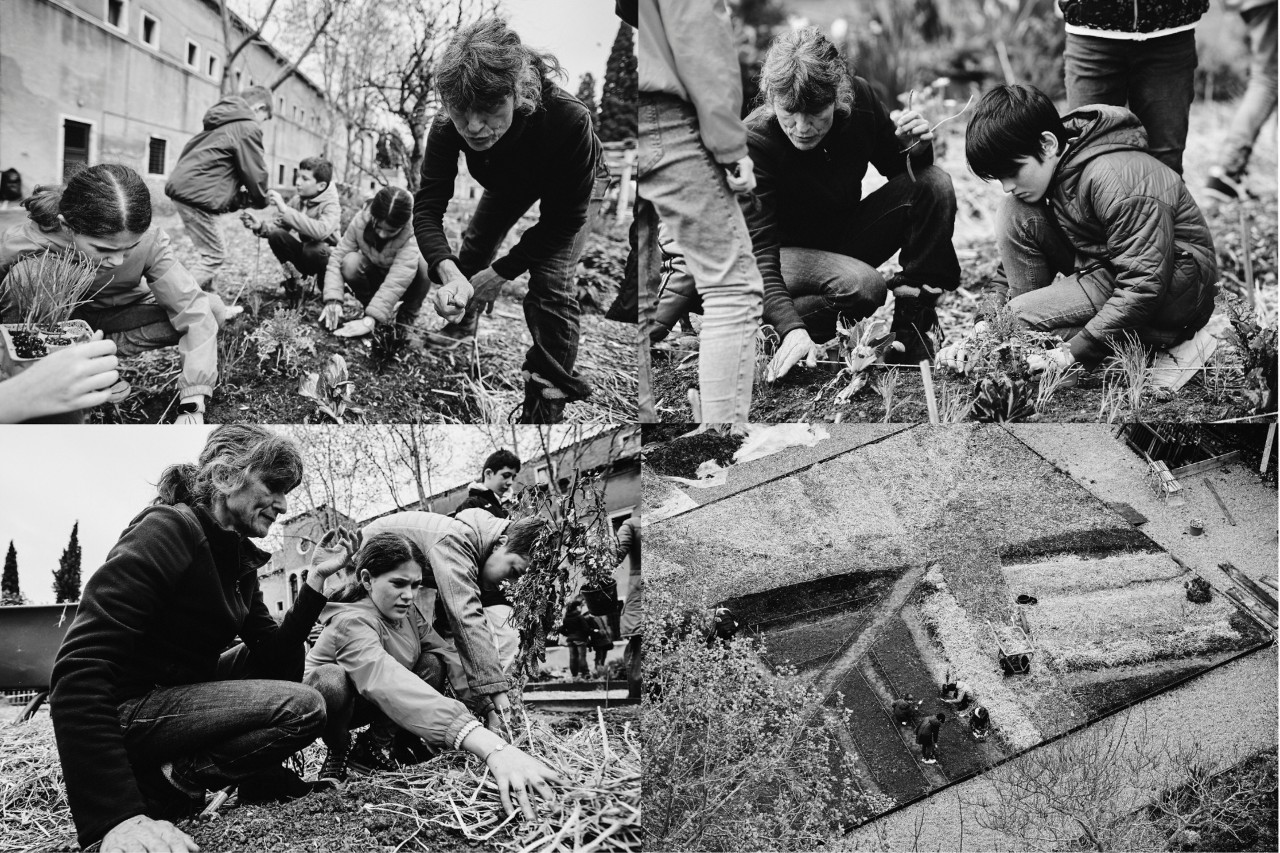
The venue was the garden of the Abbey of San Giorgio Maggiore in Venice and its halls, where the Holy See’s pavilion project, entitled “Amicizia sociale: incontrarsi nel giardino”, took shape. The long wing of the Abbey’s monastery was adorned with a photographic sequence, curated by Marco Cremascoli, documenting the slow and patient process of constructing the pavilion—a garden conceived as a space for encounter between human beings and nature.
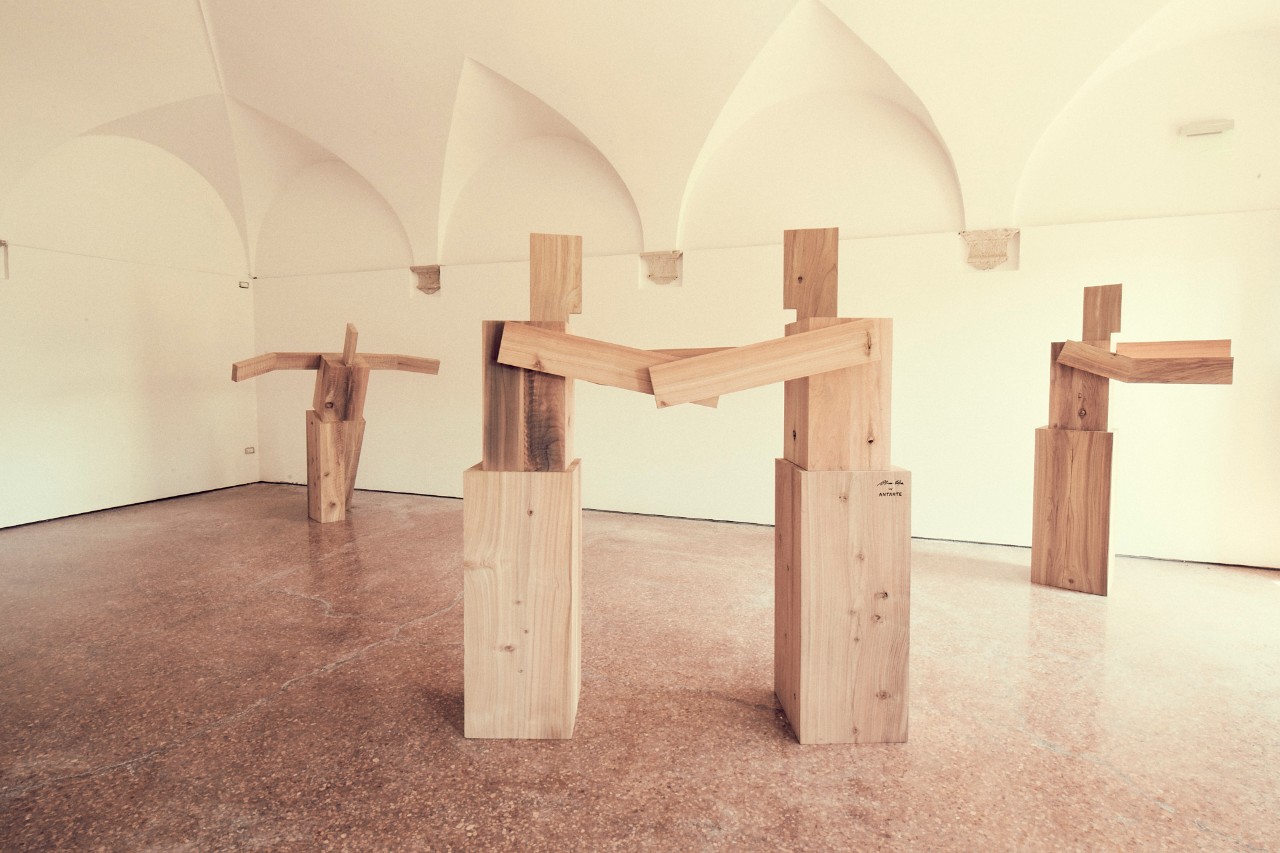
The project was curated by Roberto Cremascoli, whilst the installations were conceived and realised by the architect Álvaro Siza and Studio Albori, comprising the architects Emanuele Almagioni, Giacomo Borella and Francesca Riva.