
Jonathas de Andrade

The 2025 programme of Conciliazione 5 – a space for contemporary art conceived by the Holy See's Dicastery for Culture and Education and inaugurated on the occasion of the 2025 Jubilee – was curated by Cristiana Perrella: it is a gateway to art and its ability to engage with the major issues of our time in a free and profound way, generating new questions and new thoughts and thus opening up the possibility of transformation, which is significant not only on a cultural and civil level but also on a spiritual level. Each artist had the opportunity to express their art in two spaces simultaneously, in Via della Conciliazione, inside a window gallery visible 24 hours a day, and in a location outside the Vatican, which varied according to the theme but was in dialogue with the works inside the gallery. The main themes addressed were prison, migrants, care for creation and poverty, in continuity with the Jubilee of Hope.


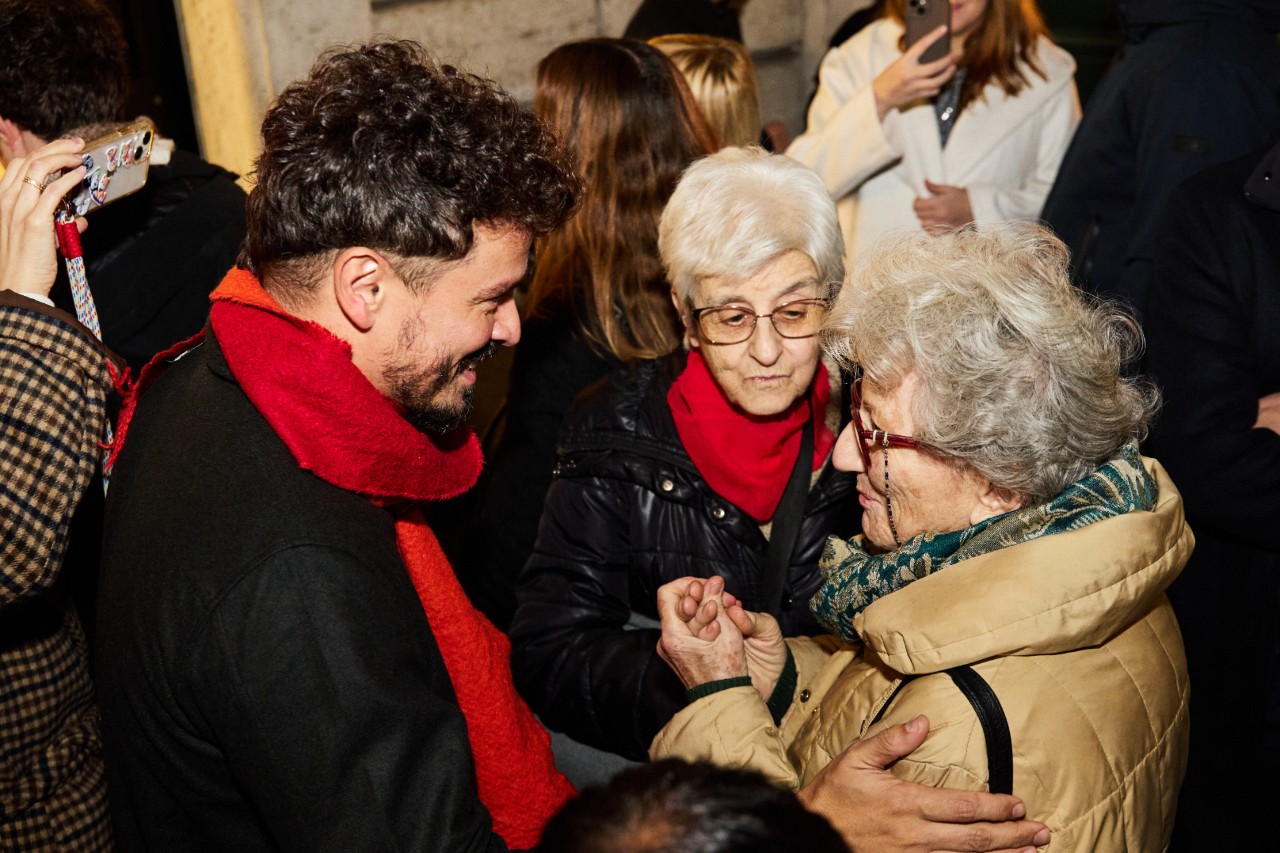
After Yan Pei-Ming (Shanghai, 1960), who worked on prison conditions in relation to the community of the Regina Coeli prison, Adrian Paci (Shkodër, 1969), who focused his research on the transformative power of travel, and Vivian Suter (Buenos Aires, 1942), who explored mankind's relationship with nature, the fourth and final event, from 11 December 2025 to 22 February 2026, featured Brazilian artist Jonathas de Andrade (Maceió, 1982), who has always investigated the tensions between memory, identity and society, addressing the themes of solidarity and social action

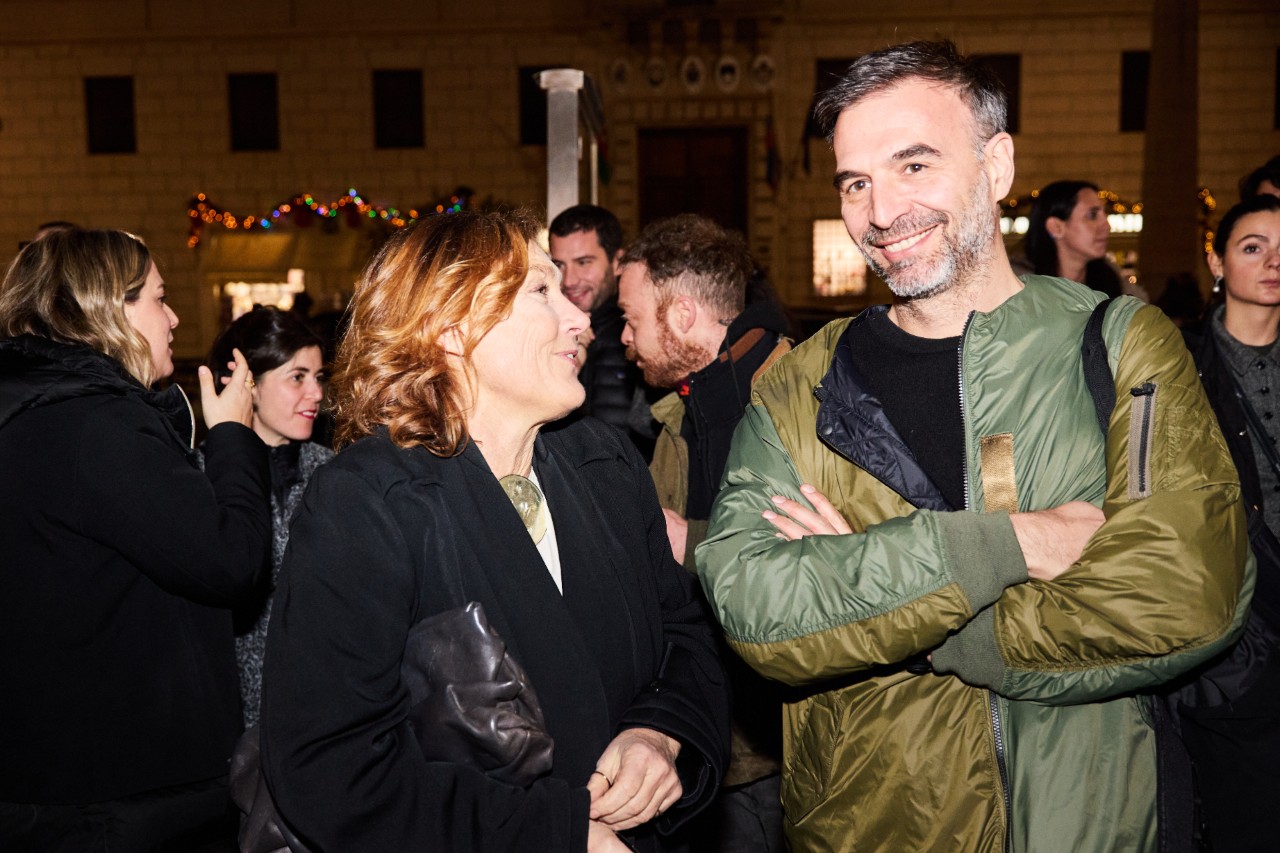
20251210_Conciliazione5_De_Andrade_0904.jpg 20251210_Conciliazione5_De_Andrade_0904.jpg
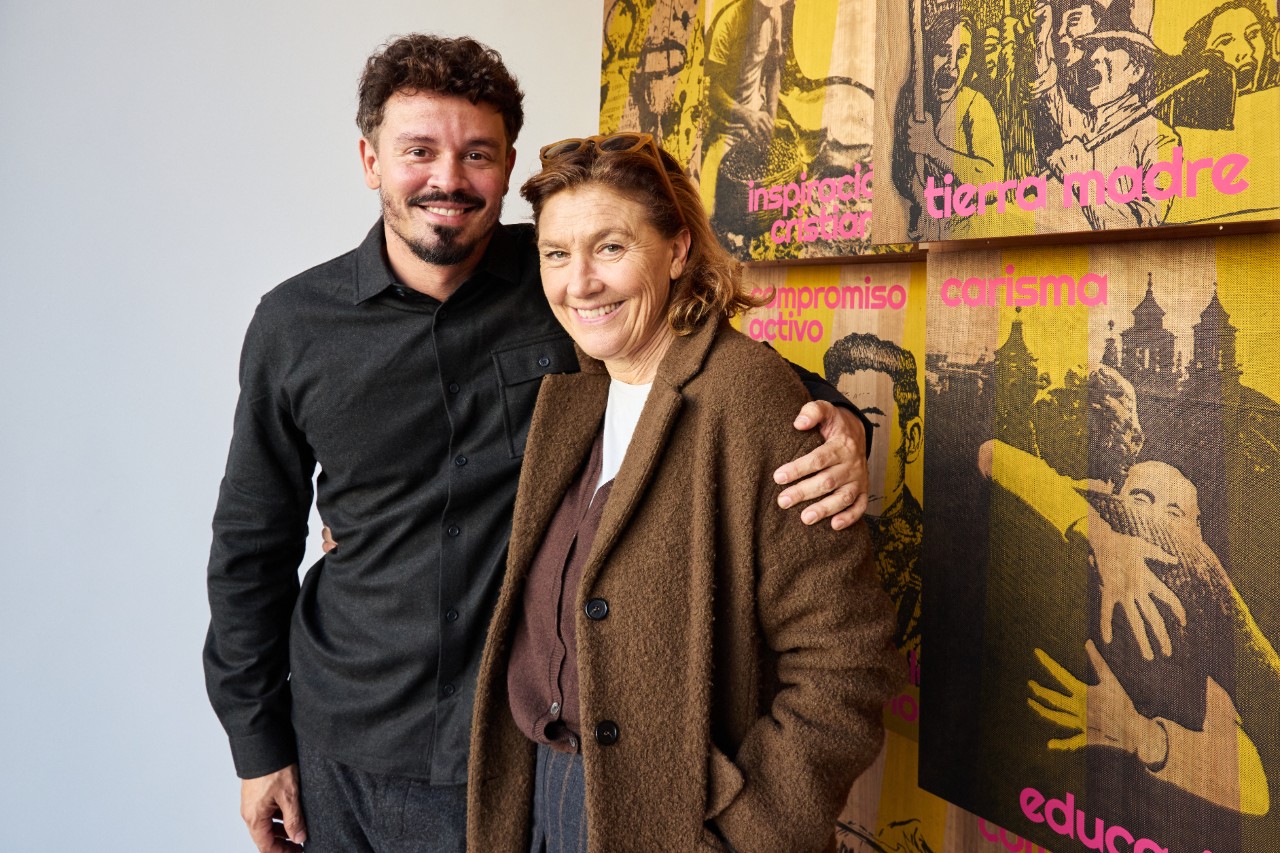
20251210_Conciliazione5_De_Andrade_0476.jpg 20251210_Conciliazione5_De_Andrade_0476.jpg
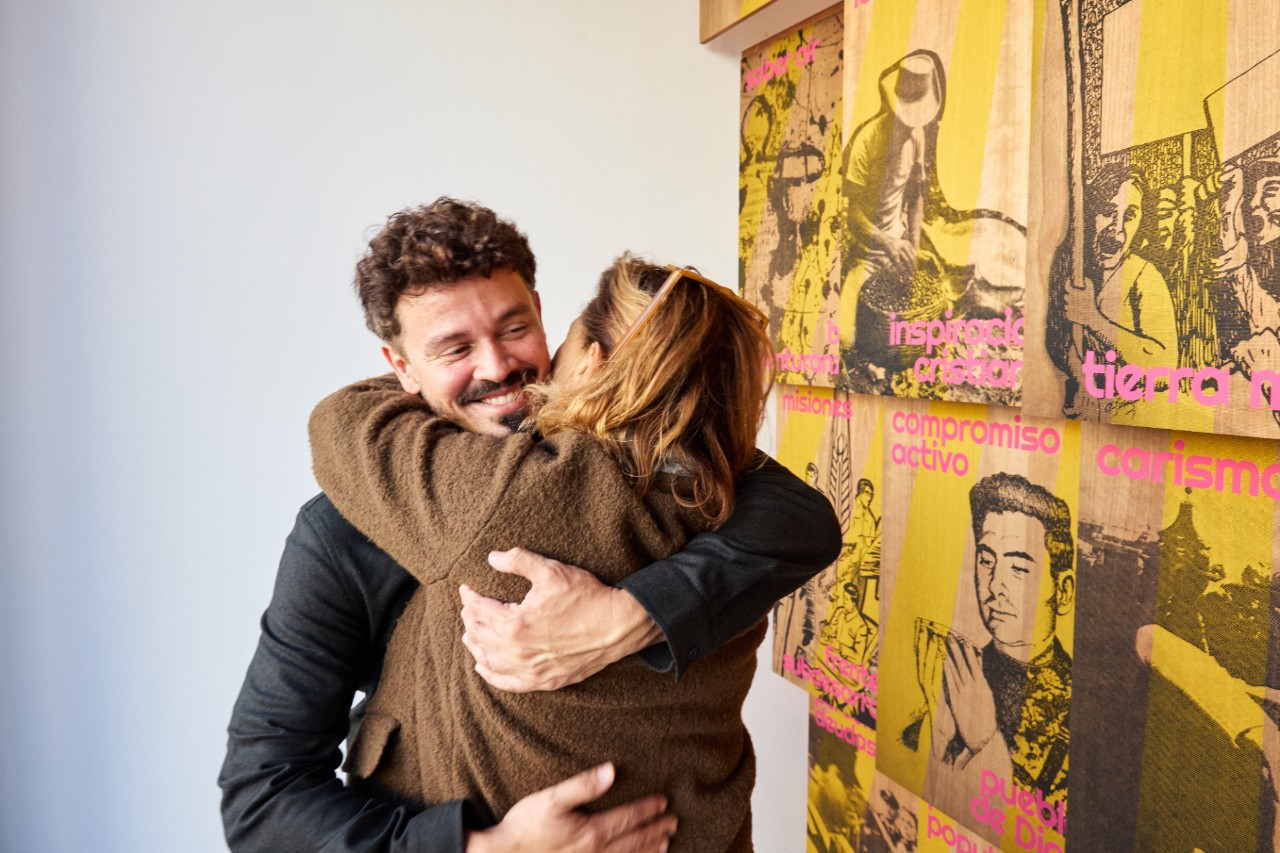
20251210_Conciliazione5_De_Andrade_0895.jpg 20251210_Conciliazione5_De_Andrade_0895.jpg

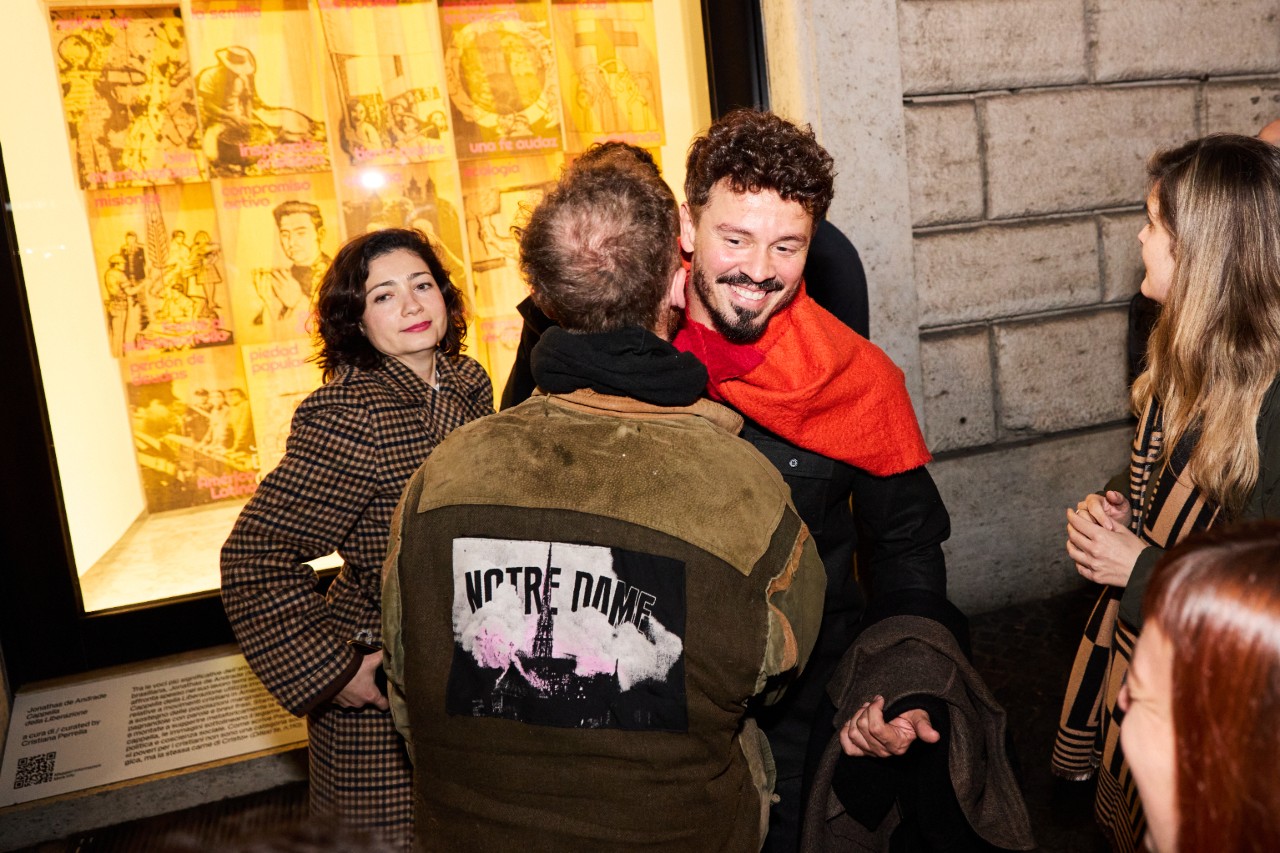
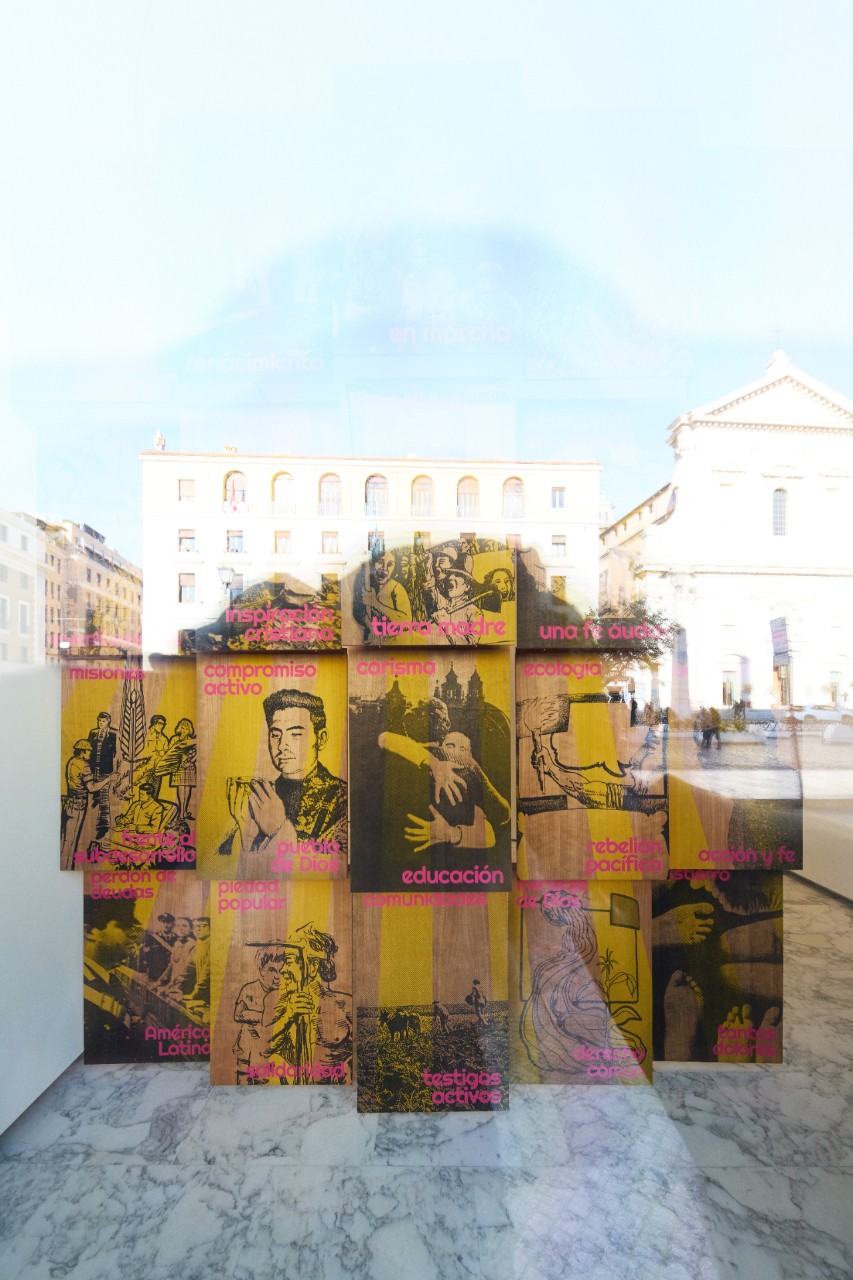
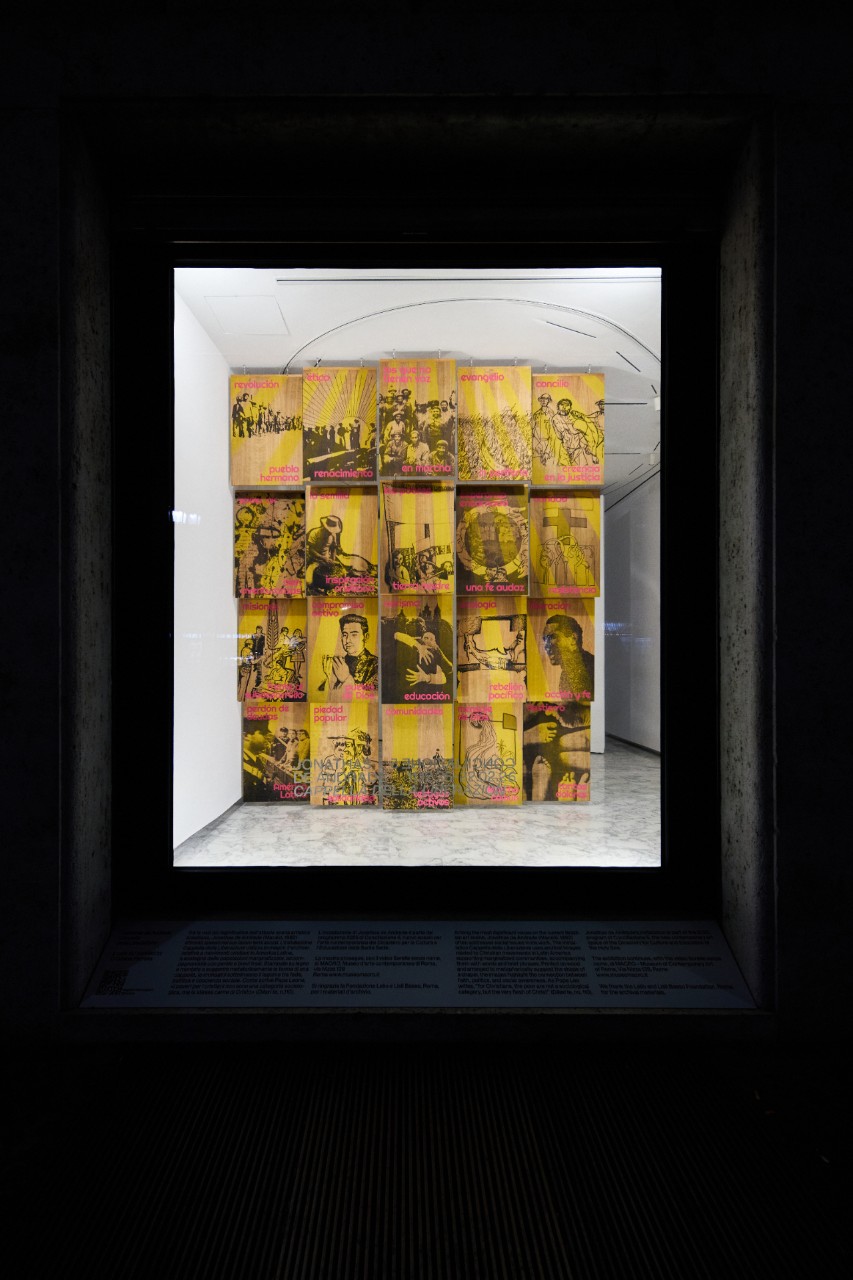
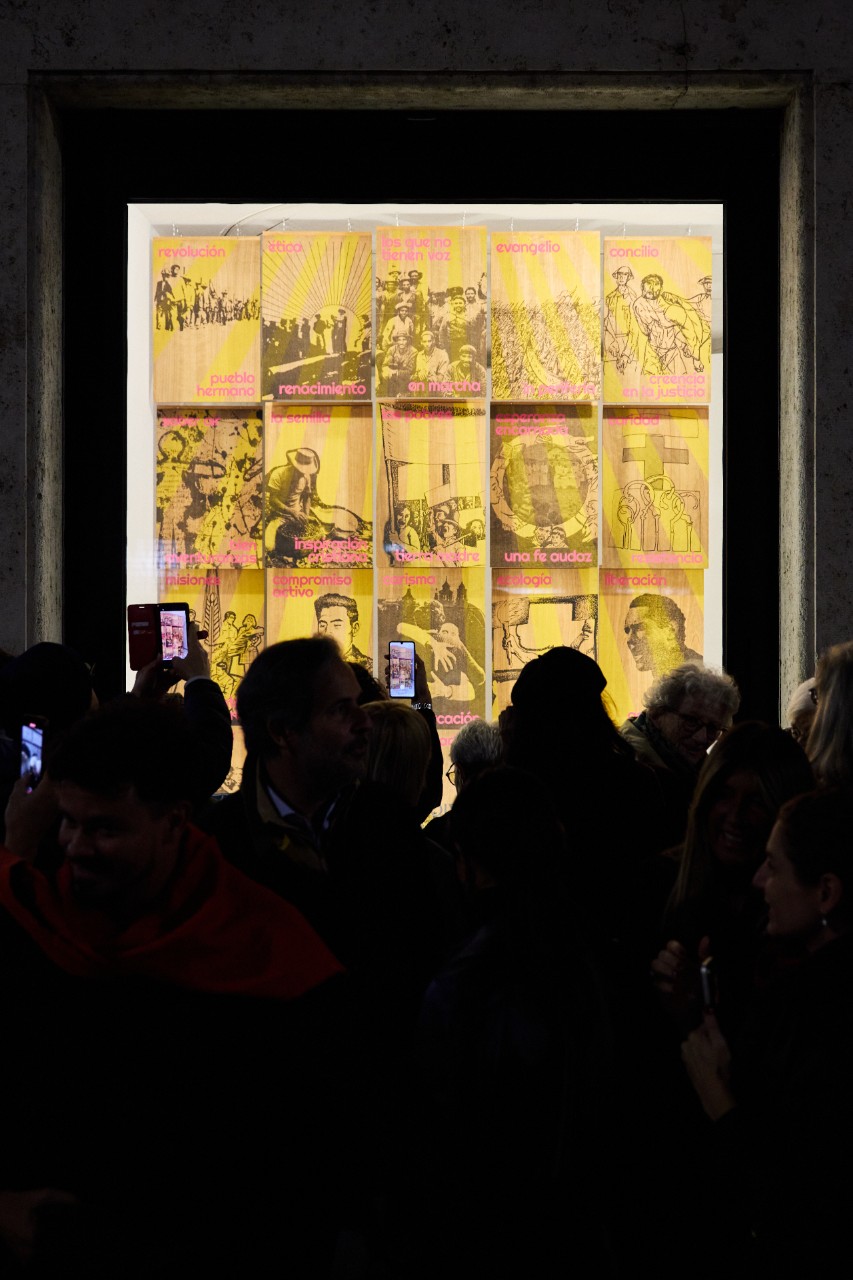
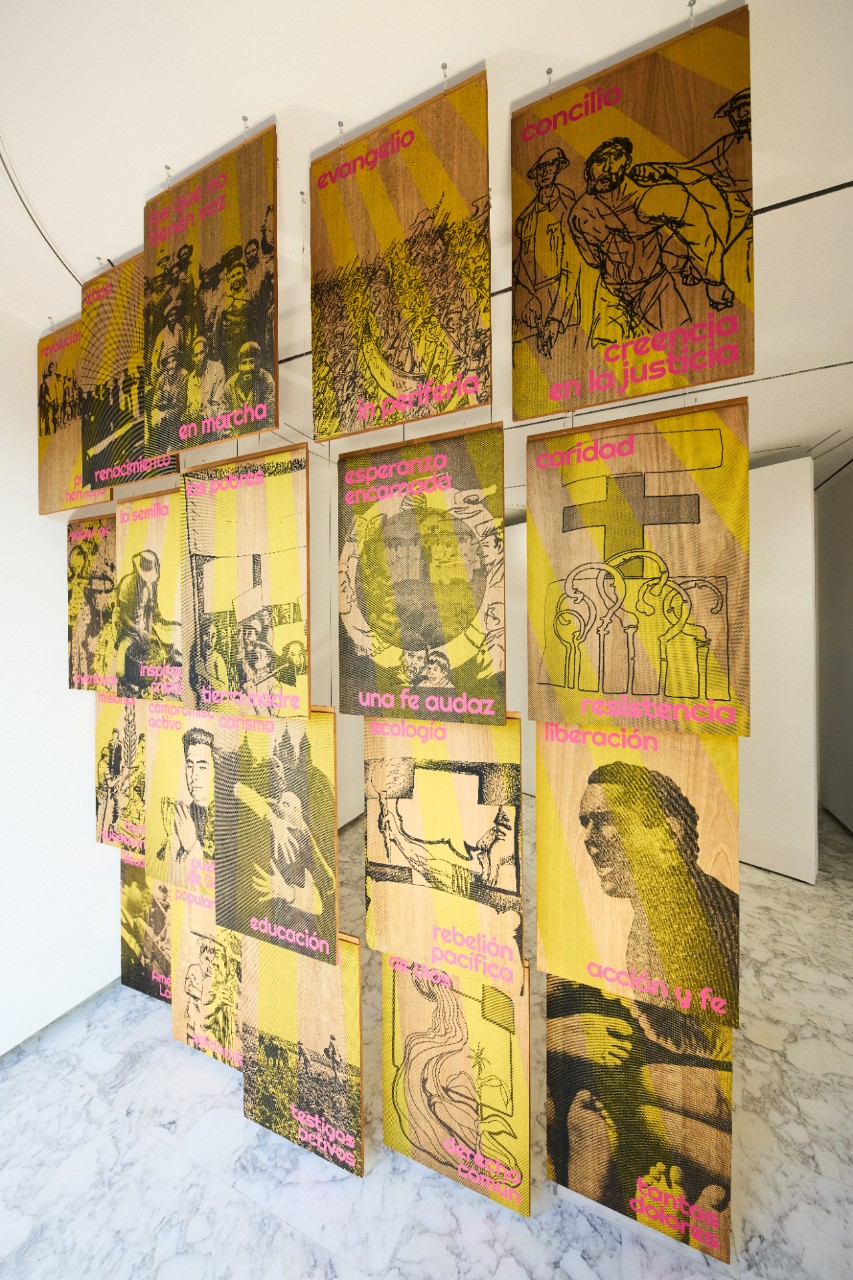
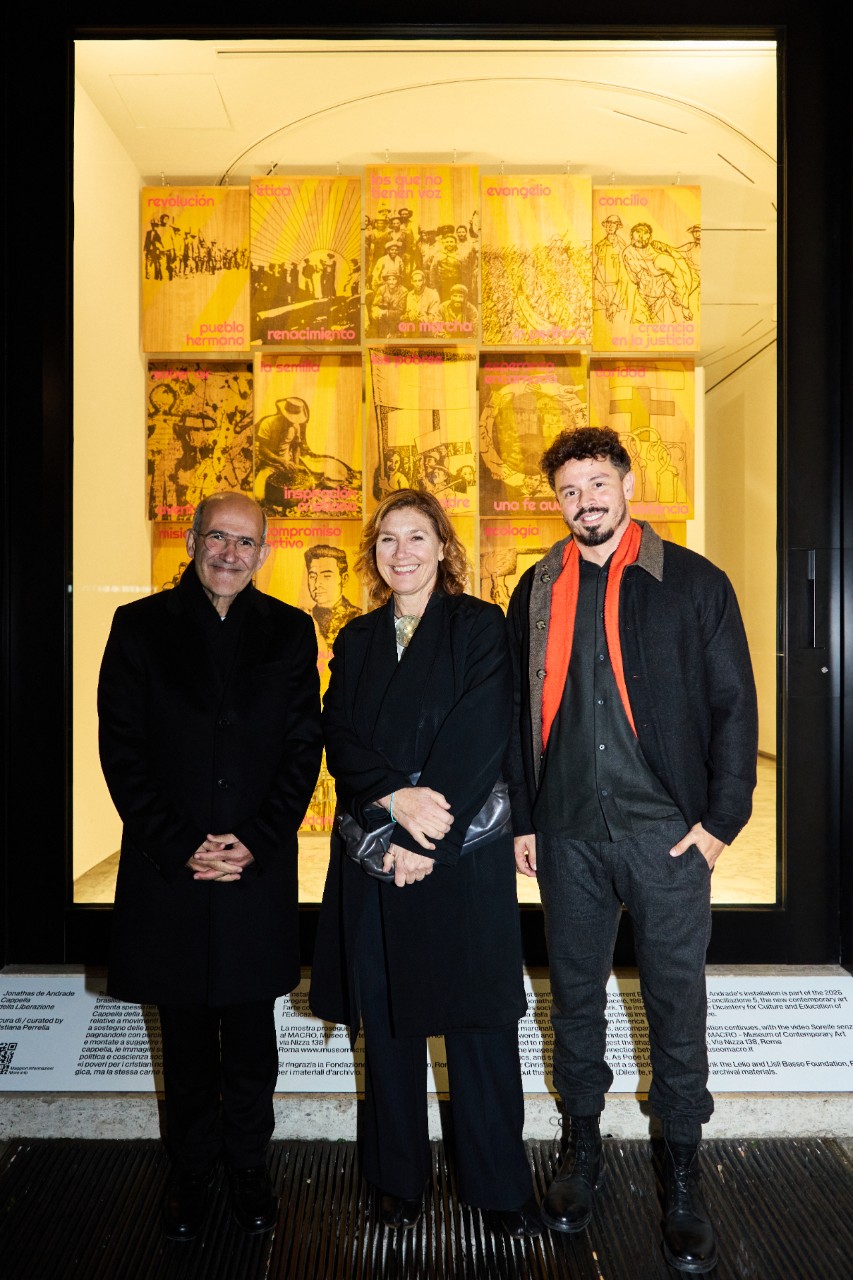
The Cappella della Liberazione installation was conceived as a visual pedagogy linking art, spirituality and collective commitment, constructing a narrative that restores the community spirit of Latin American movements supporting marginalised groups.

Jonathas de Andrade's window

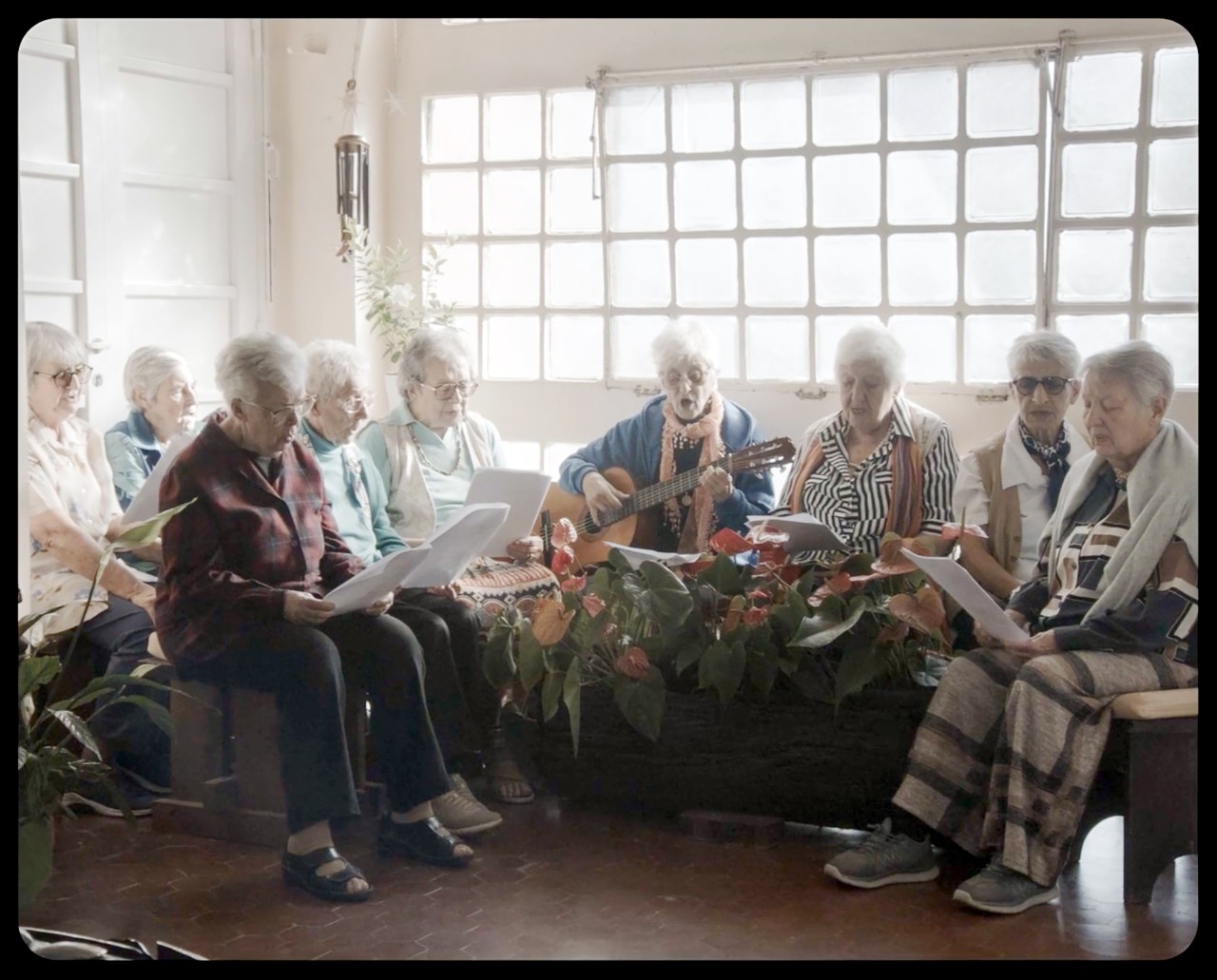
In close connection with the work installed inside the Conciliazione 5 window, the Brazilian artist, with the support of the In Between Art Film Foundation, has produced a video entitled Sorelle senza nome (Sisters With No Name), presented in the spaces of MACRO - Museum of Contemporary Art in Rome, on view until 6 April 2026.

The project - inspired by the story of a community of nuns who, in the 1960s in Brazil, combined spirituality with political and social commitment - is characterised by the artist's usual attention to collective memories and forms of resisting, weaving together archive material and first-hand accounts to restore the poetic and political power of a community that embodied spiritual freedom and social commitment. Threatened by the military dictatorship, the nuns decided to move from Belo Horizonte to Rome, where they continued their work on behalf of the oppressed, now following only the principles of anonymity and careful reading of the Gospel. Their story bears witness to paths marked by exodus, change, rupture and resistance in a daily commitment rooted in the social dimension of Christianity and aimed at assisting the most disadvantaged communities. De Andrade's trajectory is set against the backdrop of the profound political, economic and social changes that affected Latin America in the 1960s and 1970s and highlights the dynamics of transformation that influenced entire generations.

Through the experience of the Sorelle senza nome, the collective activist movements of the time entered into dialogue with the pedagogical thinking of Paulo Freire and the figure of Linda Bimbi, originally from Lucca, who emigrated to Brazil and then returned to Italy, where she collaborated with Lelio Basso in the creation of the Russell Tribunal II on crimes committed in Latin America.

SorelleSenzaNome_JdA2025_1.jpg SorelleSenzaNome_JdA2025_1.jpg

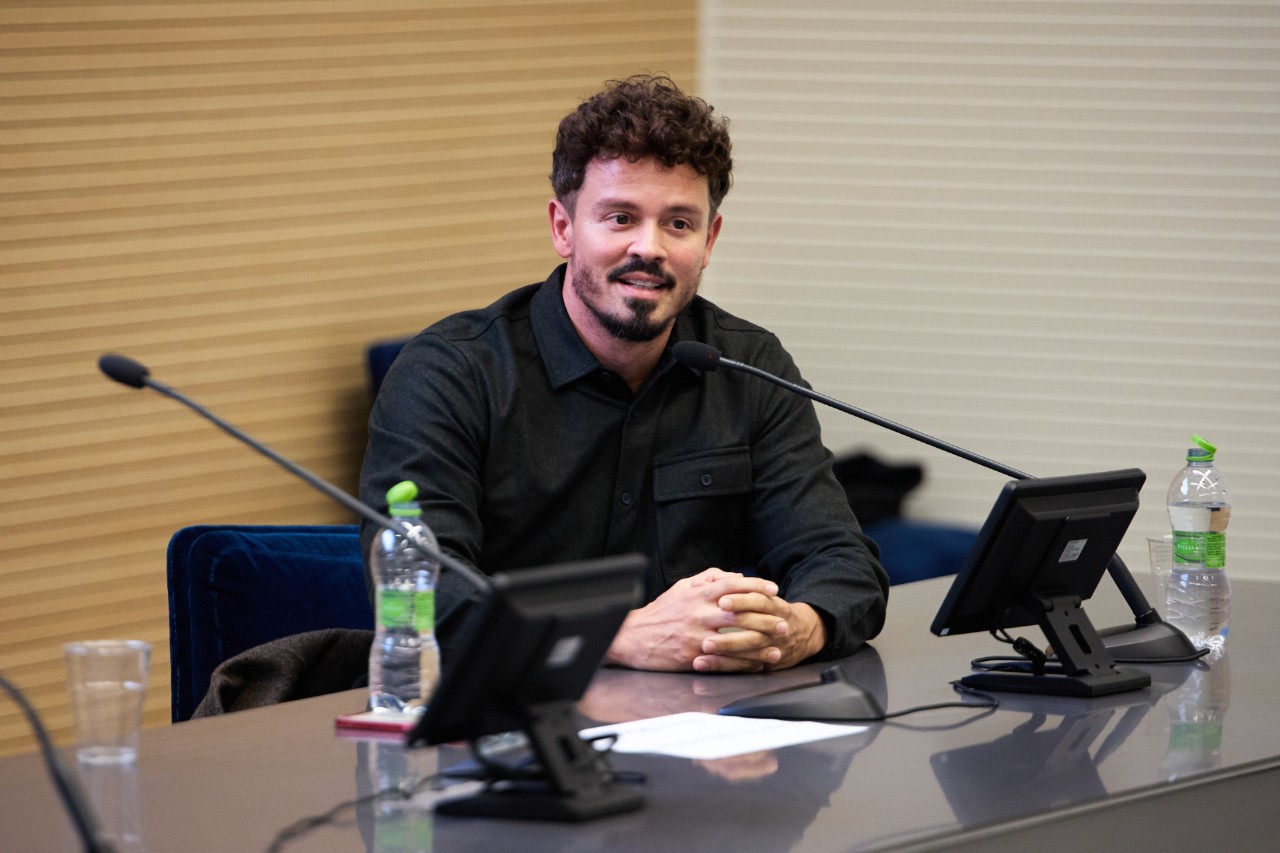
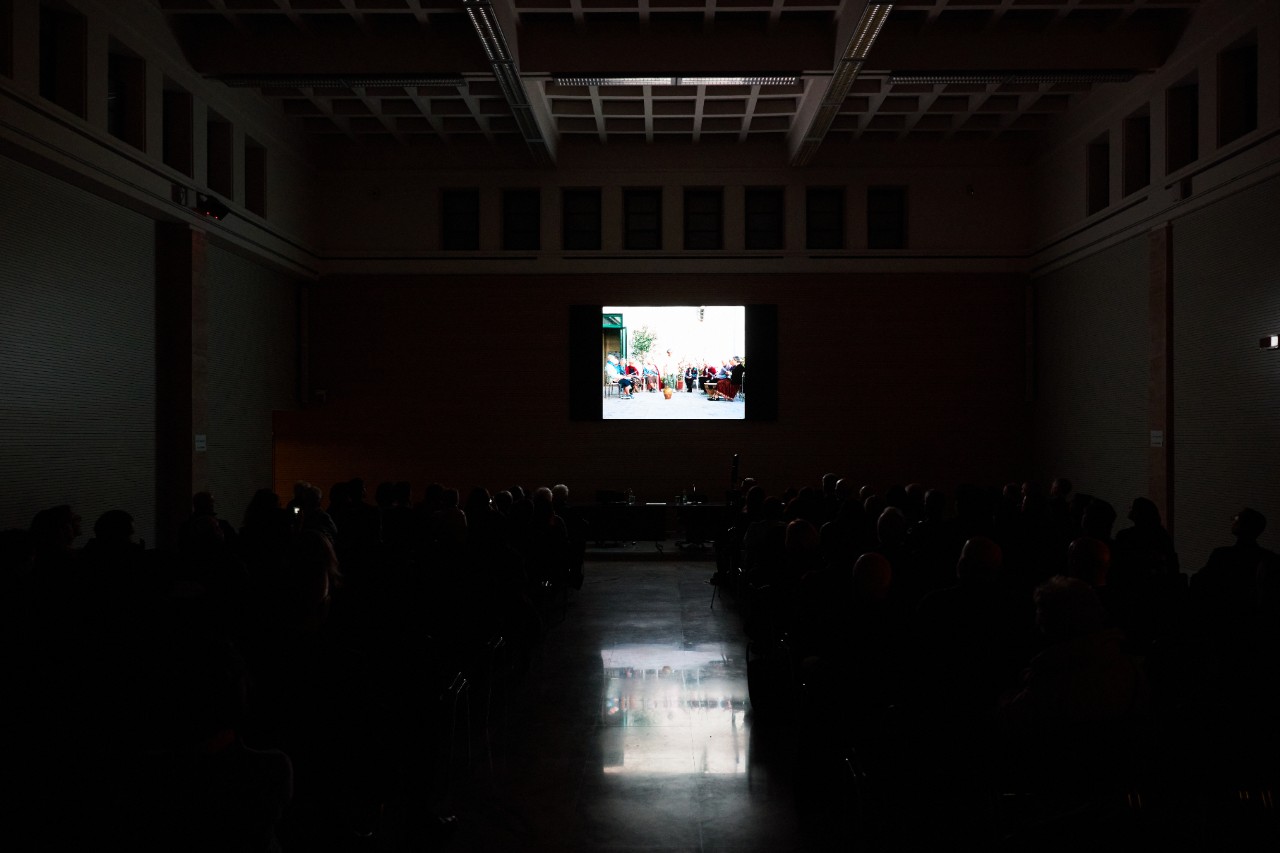
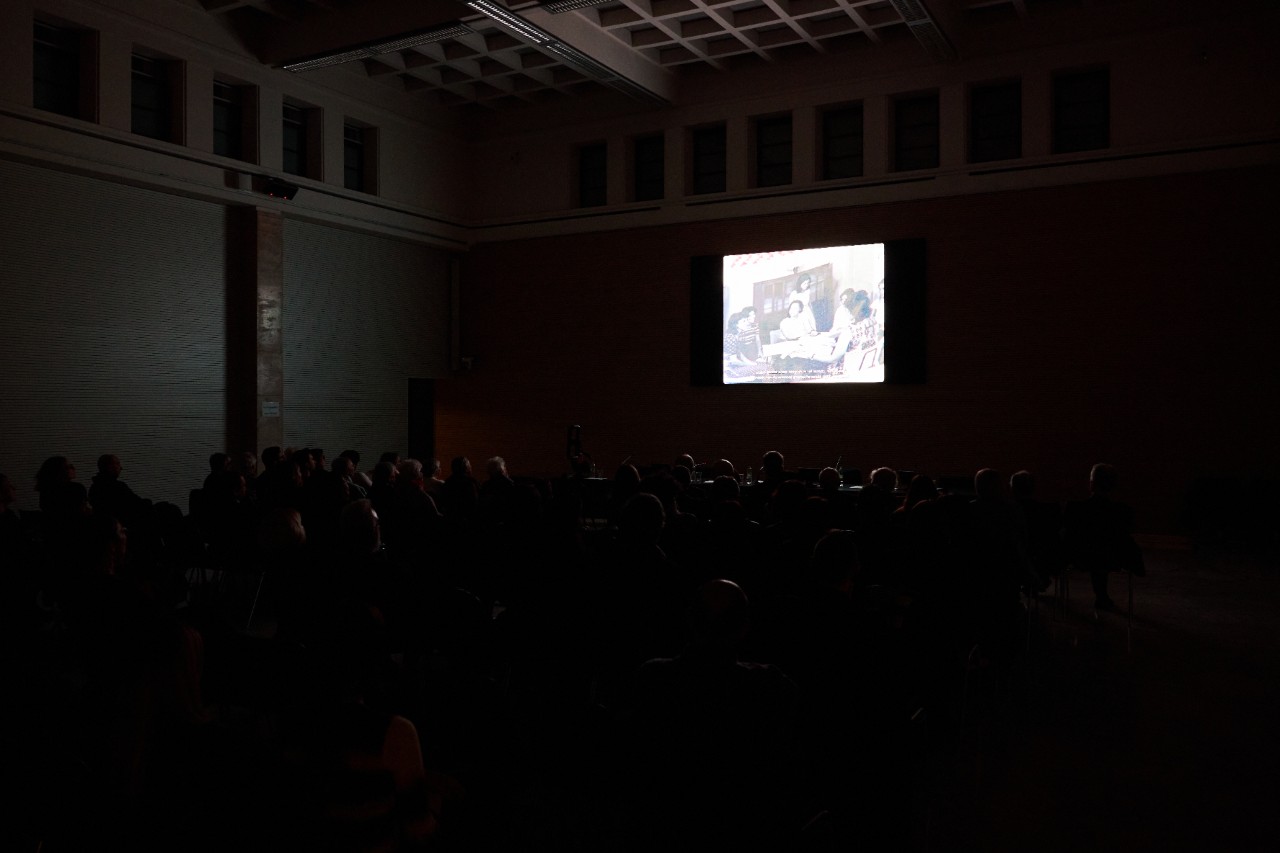
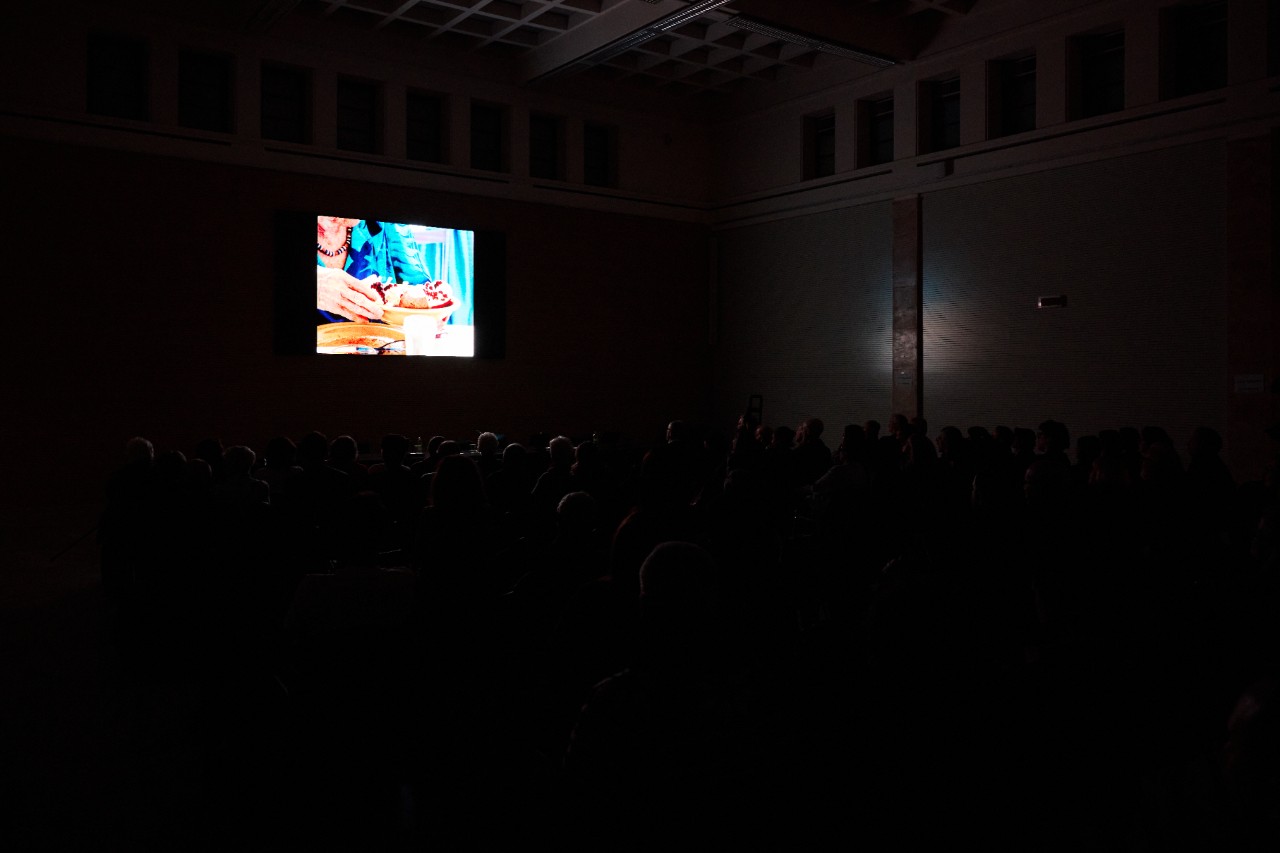
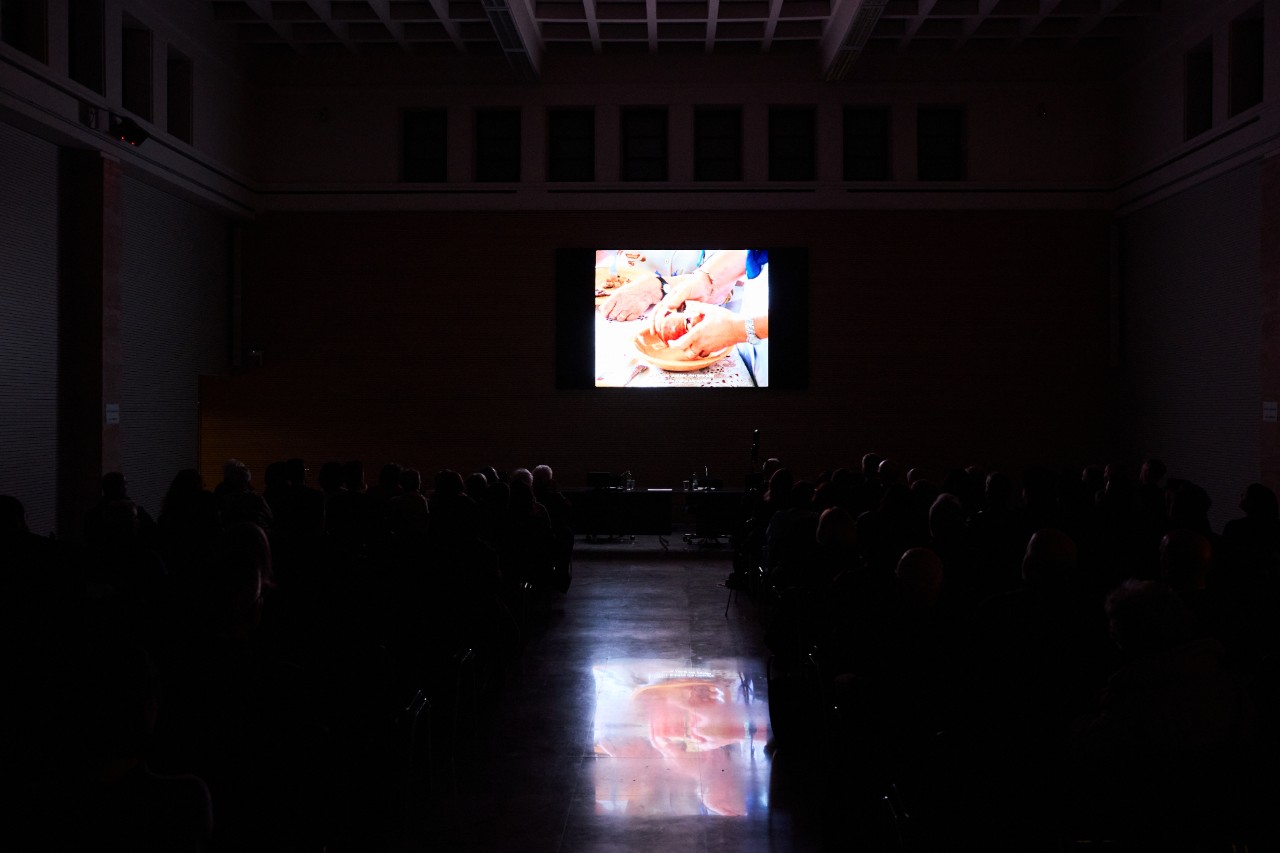
The first screening of Sorelle Senza Nome at the Pio X Hall

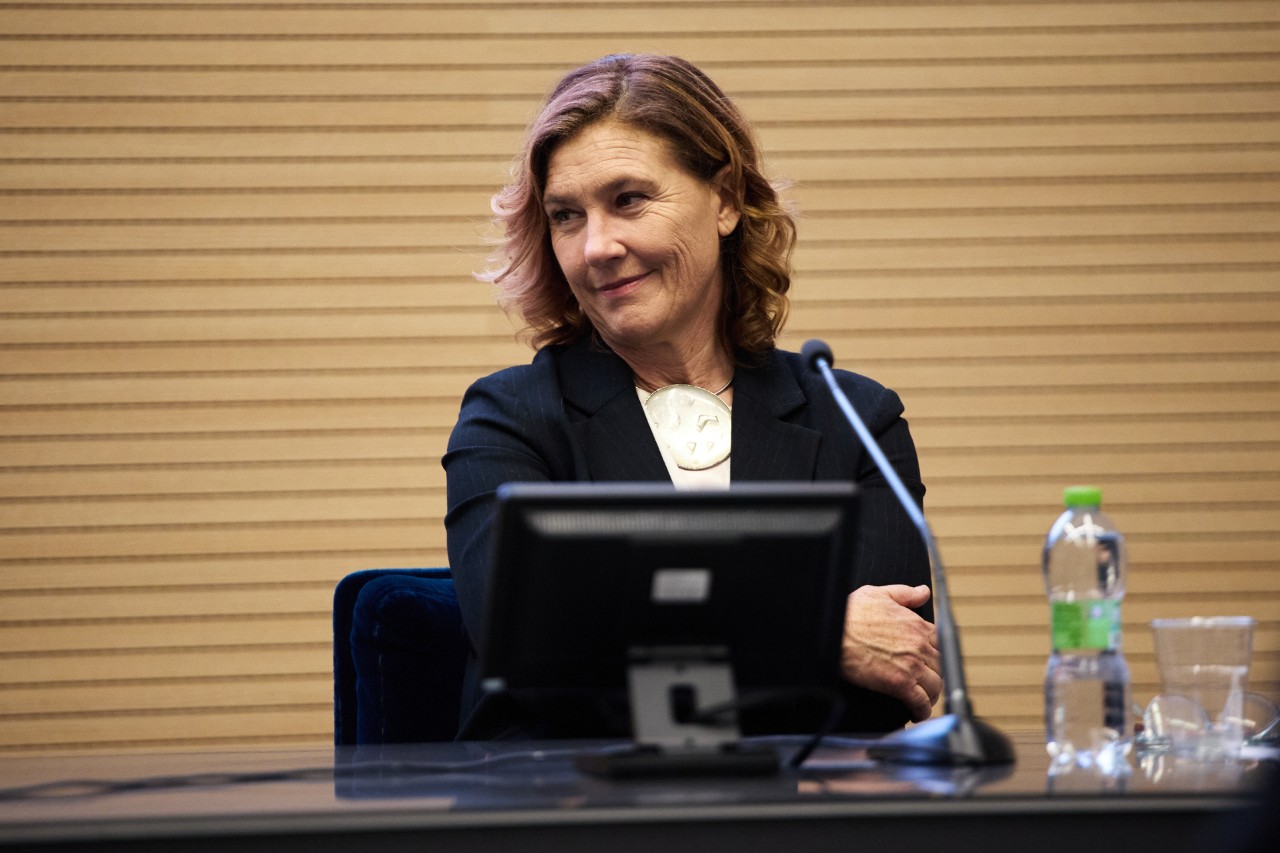
The curator Cristiana Perrella

Cardinal José Tolentino de Mendonça

Jonathas de Andrade